
Cloud-Based Music Collaboration: Complete Guide for Musicians
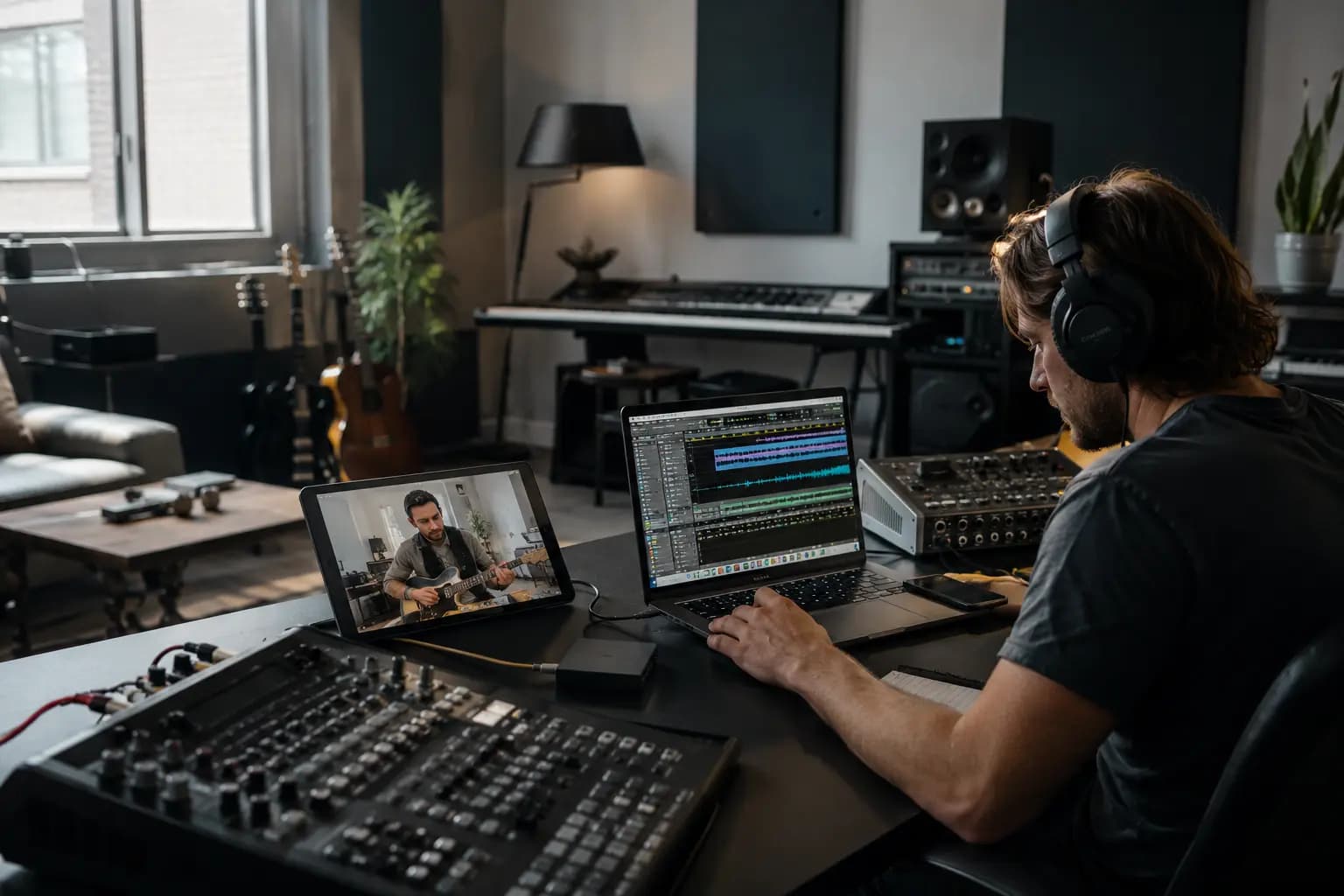
Collaborating in the cloud means writing, recording, and producing music with others from anywhere in the world via an online workspace. Rather than juggling files across multiple platforms, musicians can collaborate on songs, share recordings, and keep all creative work organized in one place. In this guide, we will explain the ins and outs of cloud collaboration, its importance in today's music production industry, and why it simplifies online songwriting and real-time music collaboration for artists worldwide. In this guide, you will find out: • What cloud collaboration for music is and how it works. • The key advantages of online music collaboration. • Features that make music collaboration easier. • Comparison of various music collaboration techniques. • Tips for organizing music collaborations and communicating with collaborators. • How to produce music online effectively by using a collaboration platform such as Djaminn.
Just a few years ago, musicians wondering how to create music online often had to exchange audio files or be in the same studio to collaborate on a song. Today, cloud technology makes it possible for musicians to create together from virtually anywhere. Recording a song involved either getting everyone in the same studio or exchanging large audio files via several applications. Now, thanks to cloud-based music collaboration services, musicians can write, record, and improve songs remotely. No matter if you are a singer-songwriter, producer, songwriter, or a musician from a band, cloud technology makes collaboration easy. Cloud-based music collaboration services provide a shared online workspace where musicians can exchange ideas, share recordings, organize creative work, and collaborate on songwriting from anywhere. So, online music collaboration has become an essential element of modern music production for both independent artists and professionals. In this guide, you'll learn what cloud-based music collaboration is, why more musicians are creating songs online, which platform features matter most, and how to collaborate more effectively with other artists.
Table of Contents
- What Is Cloud-Based Music Collaboration?
- How Cloud Music Collaboration Works
- Cloud Collaboration vs Traditional File Sharing
- Benefits of Cloud-Based Music Collaboration for Musicians
- Faster Creative Workflows
- Collaboration Without Geographic Limits
- Essential Features to Look for in a Music Collaboration Platform
- Project Sharing and Version Control
- Communication and Real-Time Collaboration Tools
- Music Collaboration Methods Comparison
- Best Practices for Successful Online Music Collaboration
- Organizing Music Files and Recordings
- Keeping Communication Clear Throughout the Creative Process
- How Djaminn Supports Cloud-Based Music Collaboration
- Creating and Sharing Music Projects
- Collaborating with Musicians Anytime, Anywhere
- Why Cloud-Based Music Collaboration Is Shaping the Future of Music Creation
- Frequently Asked Questions About Cloud-Based Music Collaboration
What Is Cloud-Based Music Collaboration?
Quick answer: Cloud-based music collaboration lets artists, producers, and songwriters create music together in a shared online workspace. It lets musicians collaborate in a shared online space without having to send files through multiple applications and services. Musicians, producers, songwriters, and bands can collaborate by producing music online without exchanging files. Whereas the process of collaborating through sending files to each other’s emails and even using different cloud accounts can be confusing, the use of online collaboration software provides the ability to have everything about music production in one place.
How Cloud Music Collaboration Works
Cloud music collaboration allows several musicians to work on the same song or recording session in a shared online space. There is no need to exchange recordings, as collaborators can upload their recordings and provide feedback whenever it suits them. In addition, cloud-based music collaboration streamlines workflows and enables collaboration regardless of location or time zone. Some features of cloud music collaboration services are: • Shared music workspaces • Cloud storage for audio files • Version history and file organization • Real-time music collaboration and asynchronous collaboration • Messaging/feedback systems • Desktop/mobile access
Cloud Collaboration vs Traditional File Sharing
Traditional methods of file sharing usually include sending emails with attachments, messages, or using regular cloud storage services. Although these processes may be helpful in some cases for small projects, they can be troublesome when many participants are involved, and multiple versions of the same file are available. There are several key benefits to using cloud-based collaboration rather than traditional file-sharing methods, including centralized communication, real-time activity tracking, and seamless version control.
Benefits of Cloud-Based Music Collaboration for Musicians
Quick Answer: Cloud collaboration for music makes it easier for musicians, producers, and songwriters to work more effectively by simplifying creative processes and removing geographical limitations. Using a shared virtual workspace allows teams to create songs more quickly, give feedback faster, and stay organized. Cloud-based music collaboration has transformed how musicians write, record, and develop songs together, making real-time music collaboration easier than ever. Without being limited by studio availability or geographic distance, musicians can write, record, and refine songs together in one shared workspace. If you are an individual musician, producer, songwriter, or even a band member, you will find it useful.
Faster Creative Workflows
One of the biggest advantages of cloud-based music collaboration is helping musicians keep songs moving forward without unnecessary delays. The team can create whenever it wants, making it easier for musicians learning how to create music online to avoid workflow interruptions. With faster workflows, musicians can: • Exchange demos and sound recordings immediately • Get feedback at an earlier stage of the song production • Save every version of each song • Spend less time on file management • Work creatively more and administratively less By eliminating technical barriers, cloud-based platforms allow musicians to focus on writing, recording, and improving songs instead of managing files.
Collaboration Without Geographic Limits
Music production today does not necessarily entail working together with musicians in the same area or even in the same studio. The cloud enables musicians to collaborate from different locations while still having access to the same shared workspace. The benefits include: • Working with producers and songwriters in other countries for online songwriting collaboration • Developing international relationships • Continuing work on songs despite different time zones • Working from wherever you are: from your house, the studio, or even if you are traveling • Broadening the scope of creativity and options Location is no longer necessarily an issue for the musician when looking for collaborators. Instead, one can look for good creative partners irrespective of where they are using online music collaboration.
Essential Features to Look for in a Music Collaboration Platform
Quick Answer: Music collaboration platforms that combine version history, communication, and secure cloud-based storage in one place work best. Such features help musicians keep their songs, recordings, and collaboration organized. Not all platforms are created equal when it comes to collaboration. Whereas some technologies may be limited to file storage or even recording, music collaboration platforms offer features that make collaboration easier. Understanding these features will help you choose a platform that supports the way musicians naturally write, record, and collaborate.
Project Sharing and Version Control
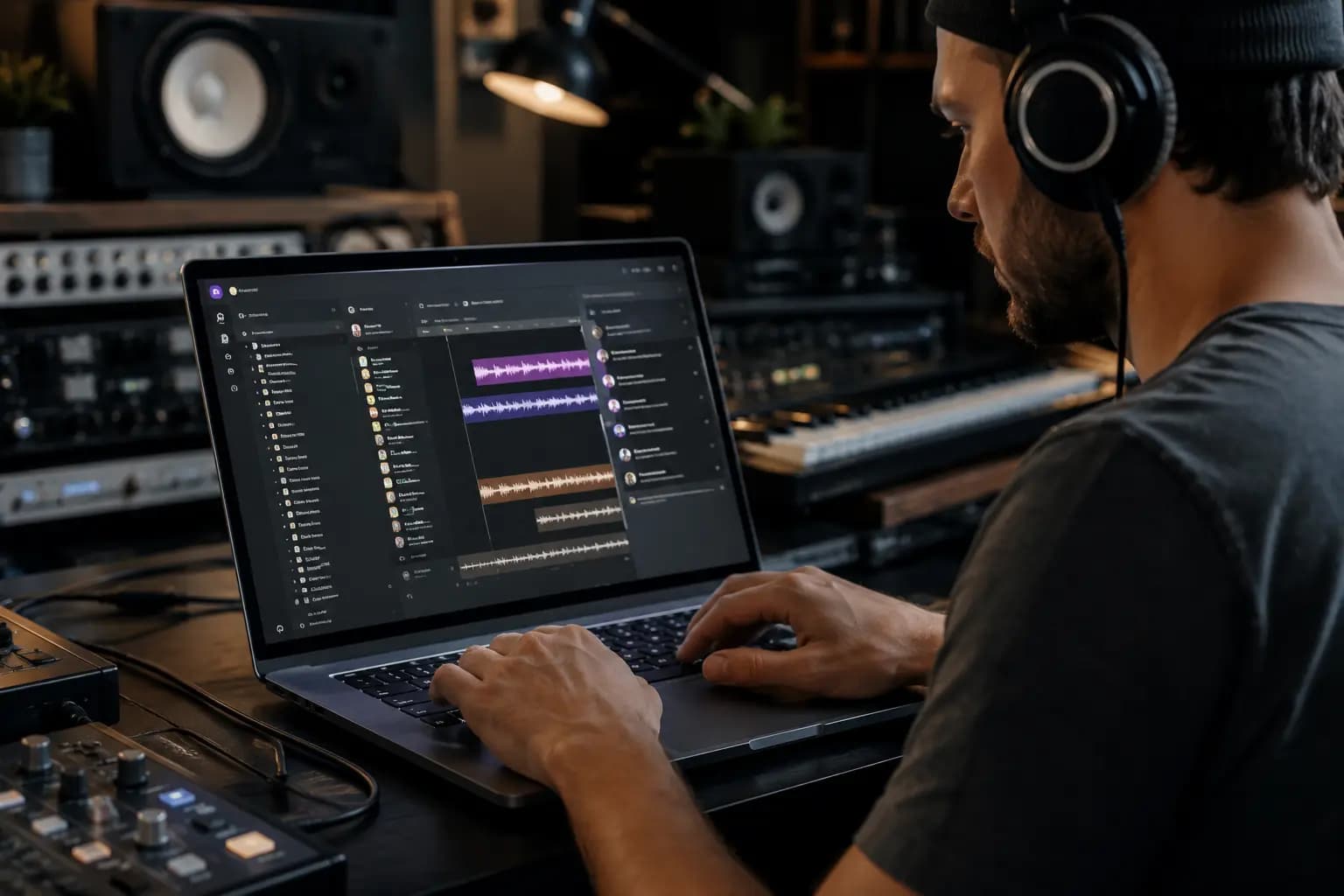
Effective music collaboration software should make it easy to share songs and recordings while keeping every update organized through version control. It should be easy to avoid file duplication, and every collaborator should always have access to the latest version of a song. Among those aspects that need to be considered during comparison of platforms are: • Secure project sharing • Cloud-based storage • Version tracking • Organized song folders • Collaborators' access control • Data backup As more musicians contribute to the same song, keeping recordings organized becomes increasingly important. Keeping all song-related files in one place makes it easier for everyone to be on the same page and work on music.
Communication and Real-Time Collaboration Tools
Real-time music collaboration is about more than just transferring files. Making music is a process of communicating and collaborating with other people, sharing ideas, reviewing audio, giving feedback, and making decisions without constantly switching applications. Useful collaboration features include: • Built-in messaging • Comments and feedback • Real-time collaboration tools • Activity notifications • Desktop and mobile access • Easy collaborator invitations Effective communication tools help creative teams stay connected throughout the music-making process.
Music Collaboration Methods Comparison
There are many ways to collaborate with musicians, including sending files via email or using online platforms specifically designed for creating music. Each method has different benefits depending on the song's complexity, the number of collaborators involved, and the group's interaction frequency. The following table compares the most widely used methods of collaboration.
Although file transfer can be a good way of collaborating when the process is rather simple, the more complicated the task becomes, the more difficult the process becomes. Online music collaboration platforms combine communication, file organization, and version history in one shared space, making them an effective solution for online songwriting collaboration.
Best Practices for Successful Online Music Collaboration
Quick Answer: For online music collaboration to be successful, there should be effective communication, properly arranged files, and a well-established creation process. Given all that, it is possible to prevent misunderstandings and increase productivity. Online music collaboration is not just about using the proper platform. Good organization, effective communication, and appropriate workflows will enable the team to work efficiently while also helping to avoid some of the problems associated with online work, such as missing files, duplicate copies, or miscommunication. Here are some good practices to follow.
Organizing Music Files and Recordings
Well-structured musical files will help the musician use time effectively and prevent confusion if more than one person is working on a single song. Organized files will help you find recordings, review changes, and continue working on them. Organized musical files can be organized as follows: • Have structured file names • Keep all the song files in one common workspace. • Categorize the recordings by stage (e.g., demos, recordings, editing, and mixing). • Archive the files instead of deleting them. • Back up important sessions. • Set proper access permissions for the collaborators. An organized workspace will allow everyone to find recordings and updates easily and focus on making music.
Keeping Communication Clear Throughout the Creative Process
Communication plays an equally important role. Updates and feedback allow collaborators to maintain cohesion, solve creative problems quickly, and prevent misinterpretation. Collaboration may involve such steps as: • Arriving at a consensus on the direction of creativity and deadlines. • Providing constructive feedback. • Responding to updates in a timely manner. • Recording and remembering key creative decisions. • Notifying collaborators of changes. • Maintaining focus on the song/recording at hand. When all participants are kept up to date, collaboration from the demo stage through the mix is significantly easier.
How Djaminn Supports Cloud-Based Music Collaboration
Quick Answer: Djaminn streamlines cloud-based collaboration for musicians by combining file sharing, communication, version history, and artist discovery in one platform. Artists can organize their songs, communicate with other musicians, and collaborate without switching between different tools. The principles of collaboration that make cloud collaboration successful become much easier to implement when they are embedded in the system itself. Djaminn is a music collaboration platform that brings together file sharing, communication, and artist discovery to allow musicians to focus more on making music rather than using several tools for the same purpose.
Creating and Sharing Music Projects
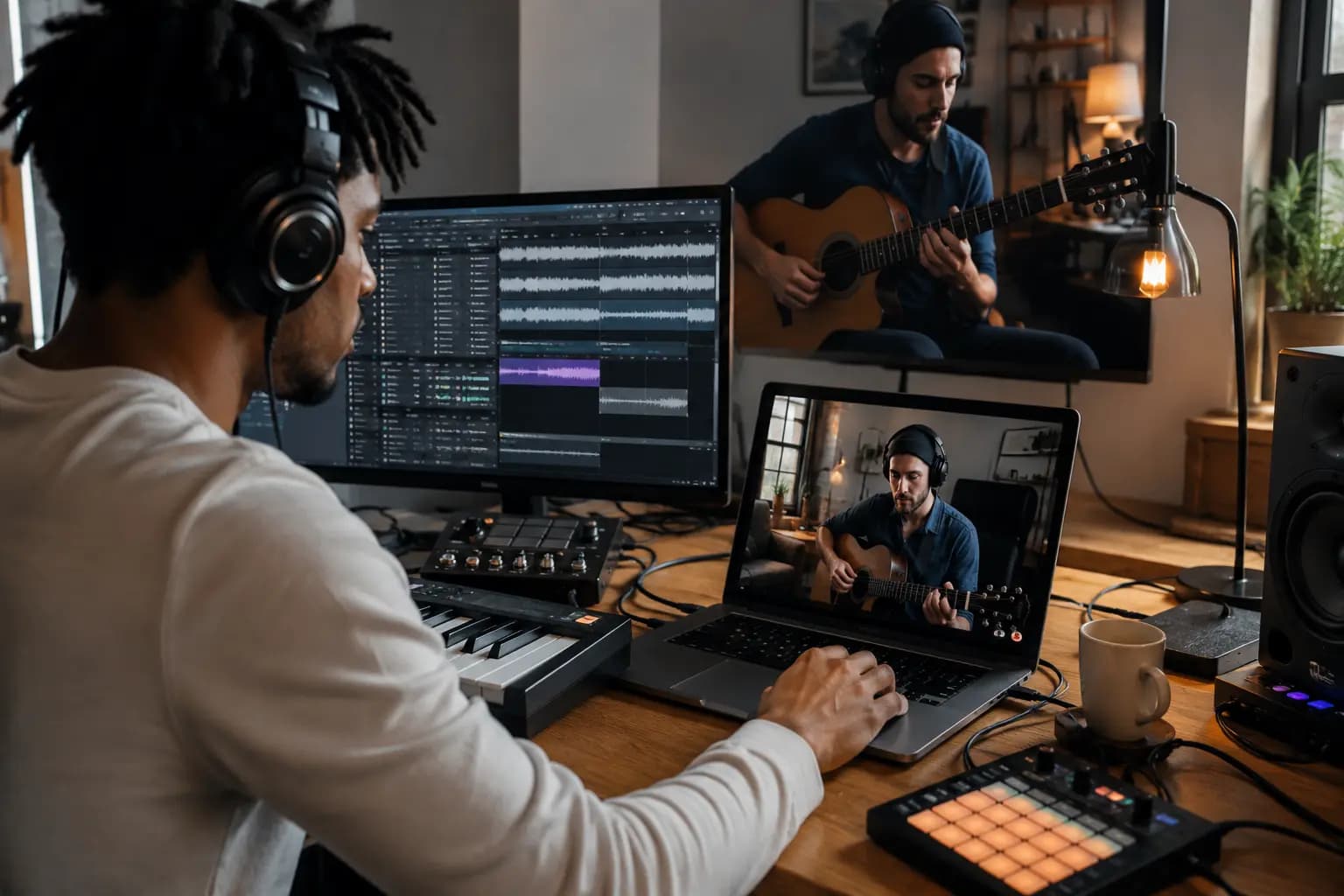
In Djaminn, it's easy to start a song, invite collaborators, and keep the creative process organized in one shared online workspace. This platform does not require multiple files and different communication applications; instead, musicians can collaborate from one shared workspace. Using Djaminn, musicians will be able to: • Organize songs in one shared workspace • Share the works in progress with the collaborators • Invite singers, producers, songwriters, and other musicians • Keep all song files and recordings in one place • Develop songs from various devices As a result, keeping songs and recordings organized in one shared workspace helps show how to create music online while spending less time on file management.
Collaborating with Musicians Anytime, Anywhere
Remote collaboration means musicians can work with other musicians through real-time music collaboration or asynchronous workflows, regardless of where they live or what time zone they operate in. The app enables this by creating an environment where they can exchange ideas, share feedback, and keep developing their songs together. Djaminn enables musicians to: • Connect with collaborators from anywhere in the world • Collaborate on songs across different time zones • Share feedback all through the creative process • Find new creative collaborators • Enable future collaborations By combining collaboration and artist discovery into a single app, Djaminn enables a creative workflow that is both flexible and highly organized.
Why Cloud-Based Music Collaboration Is Shaping the Future of Music Creation
Cloud collaboration for writing, recording, and developing songs has become one of the easiest ways to create music online, helping musicians overcome limitations related to location, studio access, and file transfer difficulties. As a result, cloud-based collaboration has become an important tool for both independent musicians and professional bands. When choosing a platform for music collaboration, look for features such as a shared workspace, messaging, file sharing, and version history in one place. These features help musicians spend less time organizing recordings and more time creating music. As remote collaboration becomes the norm, musicians can use platforms such as Djaminn to collaborate with other artists, no matter where they are located. If you are going to work with a creative partner who is far away or with those you have met online, cloud collaboration will help you do so successfully.
Frequently Asked Questions About Cloud-Based Music Collaboration
What types of musicians benefit most from cloud-based music collaboration? Cloud-based collaboration is useful for solo artists, bands, producers, songwriters, vocalists, and session musicians. It allows people with different roles and skill sets to contribute to the same song from virtually anywhere. How can I begin to collaborate on writing songs online? Begin by setting up a collaborative project, stating your objectives, and collaborating with people whose skills will help you with your songs. Djaminn makes online songwriting collaboration easier by enabling musicians to work on a single project, share their ideas, and write songs together. What should musicians share before inviting collaborators to a song? Sharing a demo, reference recordings, or a brief description of the song's direction helps collaborators understand the creative vision and contribute more effectively. Do musicians always need to work together at the same time? Not really. Although real-time music collaboration may help accelerate brainstorming and live recording, it is not always required, as most songs have been successfully written and recorded without it. How many people can collaborate on the same music project? It really depends on the tool being used; however, most music collaboration platforms allow for collaboration in teams of various sizes. The Djaminn platform allows for singers, producers, songwriters, and musicians to collaborate within the same workspace. What are the major challenges of music collaboration remotely? The most common challenges when collaborating remotely are a lack of coordination and proper file organization. A good workflow will ensure the collaborative effort is effective.