
How to Collaborate With Musicians Online
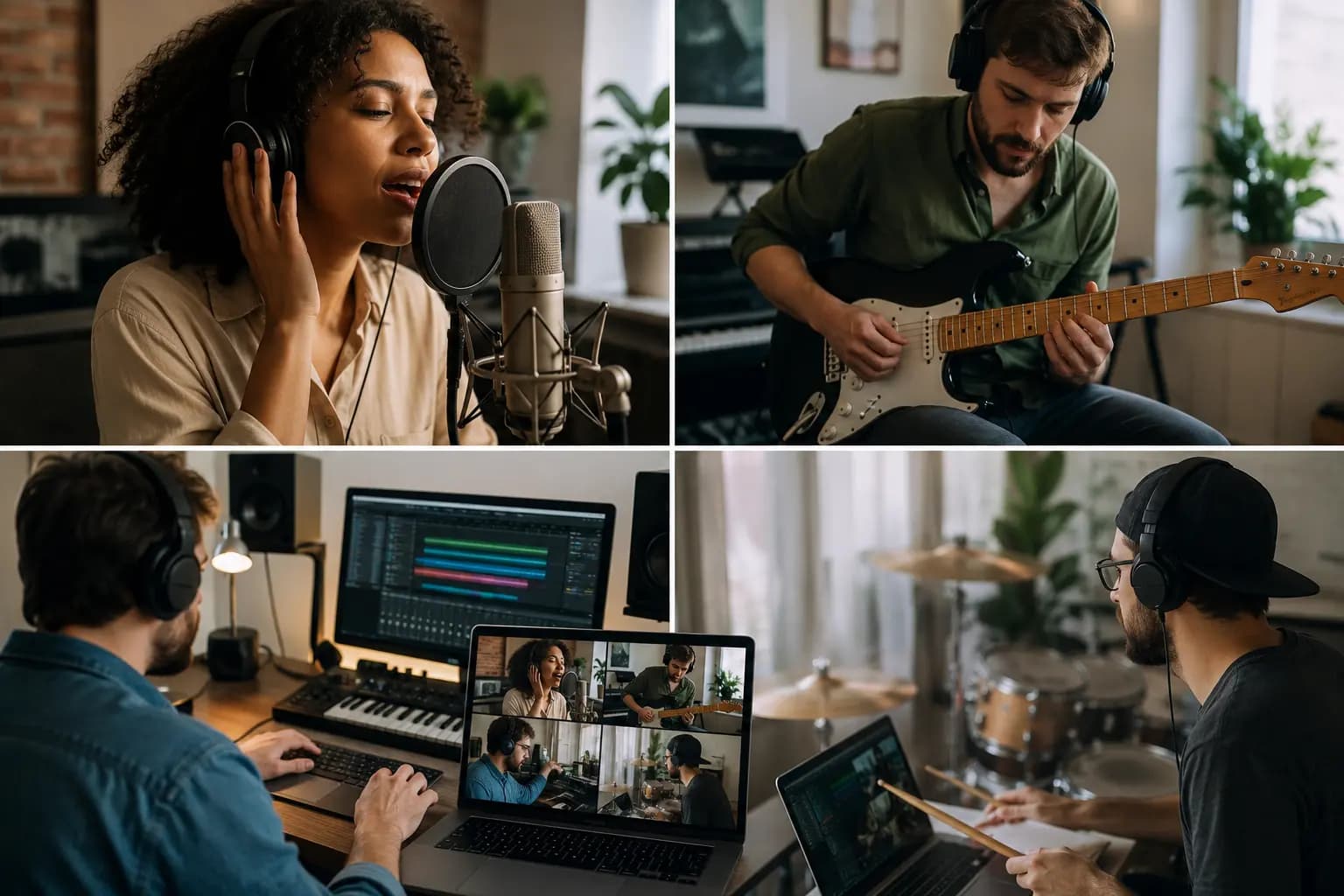
Quick Overview Online music collaborations require more than just exchanging audio files and ideas. An effective process will help musicians avoid conflicts, work efficiently, and take their project from demo to release. Here is what you can learn from this guide on how to: • find compatible collaborators; • set roles, responsibilities, and expectations prior to recording; • develop a proper collaboration and communication process; • structure your project files and avoid versioning issues; • improve teamwork through practical collaboration strategies; • and keep the creative process flowing without going through countless revisions.
Collaboration in the online environment allows vocalists, producers, songwriters, and instrumentalists to make music even though all collaborators do not share one studio space. Access to good musicians and online tools does not mean there will be no problems creating music together. The lack of defined roles, communication, organization, and any collaborative strategy leads to the loss of many interesting ideas and promising songs at some stage of their development. All those problems come up as soon as musicians start working in the virtual space without a strategy. Musicians can misunderstand each other, miss deadlines, and create many versions of the same recording. Collaborative work that was initiated with the best intentions becomes just another unfinished demo. The art of collaborating with musicians online includes much more than file exchange and sharing of musical material. This process needs compatible collaborators, defined goals, communication, and strategy. Here is the guide to the most common mistakes that spoil promising songs and collaboration.
Table of Contents
- Choose the Right Collaborators Before the First Session
- Look for Compatibility, Not Just Talent
- Set Roles and Expectations Early
- Build a Collaboration Process Before You Start Recording
- Create a Shared Project Plan
- Agree on Communication Rules
- Keep Your Remote Music Collaboration Organized
- Manage Files Without Version Conflicts
- Keep Everyone Working From the Same Project
- Comparison Table — Habits That Ruin Music Collaboration vs Best Practices
- Improve Your Music Production Workflow Without Slowing Creativity
- Standardize Every Stage
- Focus on Finishing Songs, Not Endless Revisions
- Better Collaboration Creates Better Music
- Frequently Asked Questions About Online Music Collaboration
Choose the Right Collaborators Before the First Session
Quick Answer: Selecting complementary collaborators before the recording process minimizes confusion, facilitates effective communication, and provides a better starting point for all music projects. Common objectives, defined roles, and similar working methods ensure better collaboration right from the start. Just because someone is technically proficient as a musician does not necessarily mean they will be the right choice as a collaborator. Before the first recording session, collaborators have to consider whether their artistic intentions and work styles are compatible.
Look for Compatibility, Not Just Talent
Musical talent is one component of successful teamwork. Even an excellent musician may be problematic if his or her ability to communicate, willingness to work, and creative vision differ from those of the others in the group. It is worth making sure that each member of the team can make consistent contributions from the demo to the mix. The team members should have the following characteristics: • Similar taste in music or similar artistic vision. • Effective communication skills and a professional attitude to criticism. • The ability to meet deadlines. • Previous experience working on similar projects. • Desire to work together rather than control everything. Thinking about all these aspects in advance significantly simplifies the work with the musicians via the Internet.
Set Roles and Expectations Early
Even experienced musicians might face issues due to undefined roles and responsibilities. Setting expectations before the recording session clarifies each participant’s role and avoids confusion throughout the project. Settle such matters as: • The responsibilities of each participant in terms of songwriting, production, and recording. • The system of feedback and revision. • Deadlines and critical points in the project. • Ownership, copyright, publishing, and crediting of the finished song. • Communication channel. Setting up these expectations makes the remote music collaboration process more efficient and assigns each participant a role in the overall music production process.
Build a Collaboration Process Before You Start Recording
Quick Answer: A well-structured collaboration process ensures that musicians are organized at every step of their work. Planning ahead, setting up guidelines for communication and production, and agreeing on milestones to be reached before the recording process starts are very important. No matter how gifted a group is, they may lack motivation without a defined collaboration process in place. Before any recording, writing, or production of music, there needs to be an outlined plan of action that ensures everyone involved is on the same page toward achieving the same objective.
A music project needs to start with a basic plan that is accessible to all parties involved and easy to understand. It doesn’t have to be too comprehensive, but it needs to include the production process steps and indicate who is responsible for which part of the project. Shared plan of action needs to contain: • General goal and estimated project completion date. • Individual responsibilities of all participants. • All production milestones starting with demo and ending with master. • Recording and editing deadlines. • Central storage place for all project files and information. Following one single plan enables everyone to save time on coordination and create music together. Organized recordings, comments, and edits make the cooperation process more productive during the development of the song.
Agree on Communication Rules
Many collaboration challenges start with inconsistent communication rather than creative challenges. Without proper communication rules, feedback is bound to appear in all kinds of places, such as emails, messaging platforms, comments in files, etc., leaving it unclear which one is the most recent. To avoid communication conflicts, make sure to: • Choose one primary communication channel. • Agree on response times for feedback. • Keep feedback constructive, specific, and actionable. • Document key decisions in one shared location. • Schedule periodic check-ins to review progress.
Keep Your Remote Music Collaboration Organized
Quick Answer: Organizing project files, versioning edits, and centralizing files helps prevent errors, reduces duplicated effort, and keeps collaborators aligned. File clutter, missing tracks, and version confusion are among the most common killers of remote music projects. Establishing clean organizational habits upfront ensures everyone is working on the latest version of the song.
Manage Files Without Version Conflicts
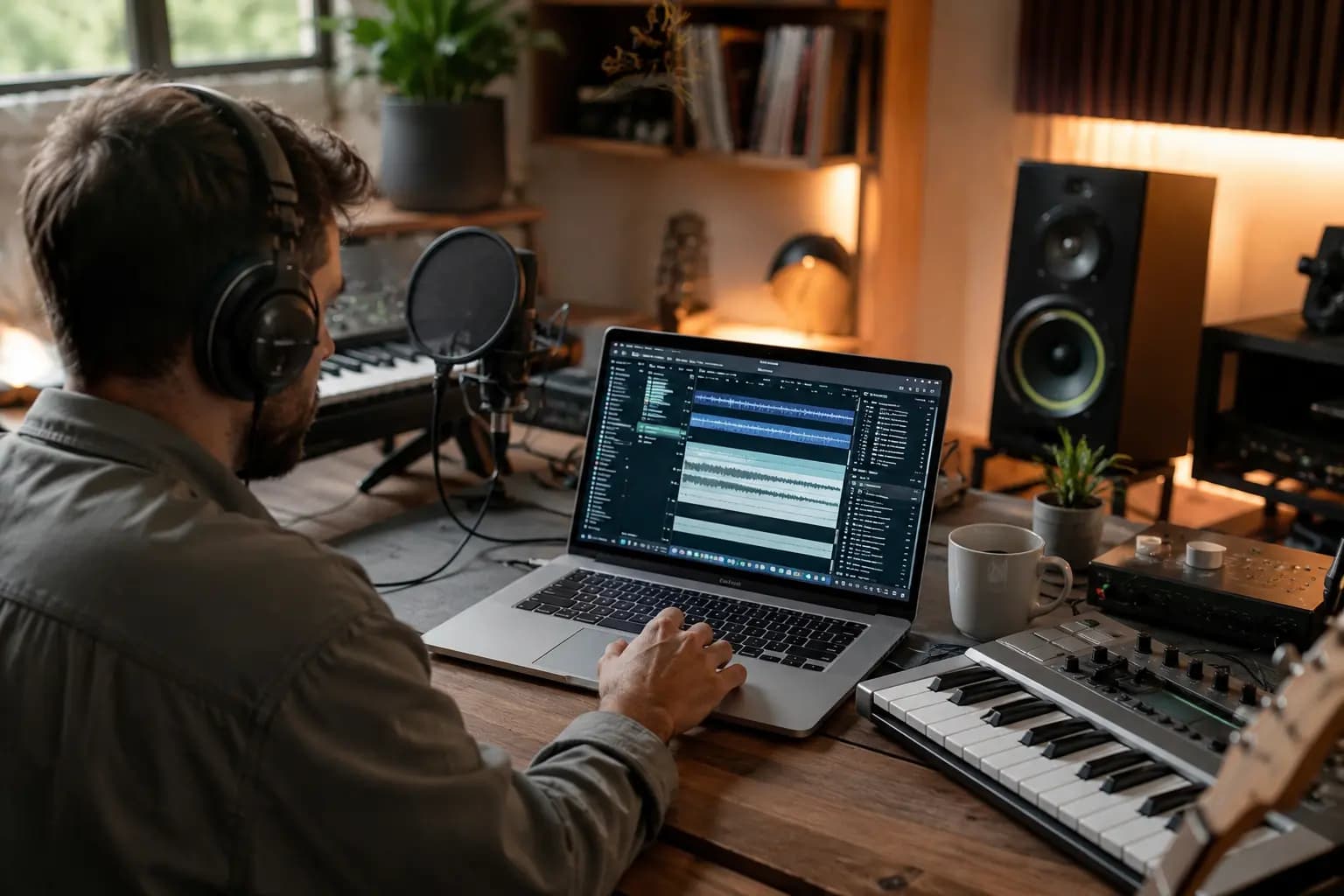
One of the biggest issues in remote music collaboration is managing file versions. Without clear naming conventions and version tracking, collaborators can easily end up working on outdated audio stems or overwriting each other's contributions. Best practices for file management: • Use a consistent file naming convention (e.g., SongTitle_BPM_Key_Instrument_Date_v1). • Export stems starting from bar 1 (time-aligned) so they drop directly into any DAW. • Store project files in a dedicated cloud workspace. • Clearly mark final or approved takes.
Keep Everyone Working From the Same Project
Rather than maintaining separate versions of a song, all collaborators should work within a centralized space. Utilizing an online music collaboration platform allows everyone to listen, comment, and add tracks in one synchronized location. Working on one single project makes music collaboration in a remote environment more streamlined. All musicians can collaborate with one another without losing sight of any files, discussions, or production progress.
Comparison Table — Habits That Ruin Music Collaboration vs Best Practices
In some cases, minor communication mistakes, organizational problems, and poor collaboration practices may affect songwriting more than creative differences. Some examples of these problems are provided in the table below along with suggestions for maintaining the creative process.
Most collaboration problems can be avoided if the team develops good habits from the very beginning of its work. Defining roles, managing project resources, and having an efficient communication channel ensure a more reliable music production process for everyone involved. Such good habits facilitate collaboration in music creation even from a distance and allow musicians to collaborate with musicians online.
Improve Your Music Production Workflow Without Slowing Creativity
Quick Answer: A uniform music production process gives everyone involved a defined process while still retaining creativity. Having set processes, reviews, and realistic milestones allows musicians to complete their music faster without hindering creativity. The ideal workflow must help nurture creativity and not distract from it. With everyone knowing what comes next, how information is exchanged within the group, and how decisions are made, the team will spend less time managing tasks and more time creating music. The perfect workflow for music production is not about restraining creativity but ensuring that creativity is nurtured with proper structure.
Standardize Every Stage
Each collaborative project is made easier with a reliable process that moves the project from concept to release. Even if all teams do things differently, using the same process for all projects eliminates the chances of getting lost and makes collaboration more consistent. Try to stick to the same routine for: • The order of the stages of production, starting from the demo till the final master. • Filing system and file naming convention. • Review and approval process at every stage. • Assigning tasks and ownership to the project. • Monitoring progress in the collaborative project. A dependable workflow ensures that all collaborators know what needs to be done next and makes collaboration in music remotely easy.
Focus on Finishing Songs, Not Endless Revisions
Creativity can only be refined through feedback, but there comes a point when limitless revisions hinder a project from being completed at all. Rather than continually reviewing previous decisions, teams need to set realistic review timelines and identify when each production stage is finished. In order to advance projects: • Set revision limits for each milestone. • Gather feedback before advancing to the next production stage. • Make creative decisions well ahead of time. • Approve completed work. • Celebrate released songs, not perfection. Effective remote music production allows for progress and quality to go hand in hand. With clear expectations and revisions staying on track, remote music production becomes more efficient, and musicians can successfully collaborate with other musicians online.
Better Collaboration Creates Better Music
Good music collaborations depend not only on the talent of the team. Better outcomes can be expected when a clear division of roles, file organization, constant communication, and a clear process from the inception of the idea to its release are observed. This helps avoid unnecessary delays and makes it easy for each collaborator to focus on producing good music. Whether you're collaborating with band members you've known for years or working with new musicians remotely, an organized approach will help with each new project. A good music production process ensures each project proceeds smoothly without holding back creativity, while remote music collaboration gives you the opportunity to collaborate efficiently. The right music collaboration platform brings communication, file organization, version control, and collaboration tools together in one place. Instead of switching between multiple apps, musicians can keep recordings, feedback, and song revisions organized so they can focus on creating music together.
Frequently Asked Questions About Online Music Collaboration
How many people can collaborate on a single musical project? There is no set limit; however, the fewer participants, the faster decisions will be made. The more people in a project, the more necessary it is to assign responsibilities and organize the collaboration process. Is it possible to collaborate online with musicians who have different recording equipment? Surely. Various microphones, audio interfaces, or DAWs do not matter for successful collaboration as long as everyone obeys the set rules. Using platforms such as Djaminn will allow you to collaborate with musicians online because all files, correspondence, and project progress will be located there. How often should collaborators evaluate the work done by each other? In most cases, evaluating each other's work after certain milestones will be more beneficial than discussing every minor update. What should be discussed prior to releasing a collaborative song? Before releasing a collaborative song, participants must agree on songwriting credits, ownership, profit sharing, distribution plan, and final approval to prevent conflicts later. What are the factors that contribute to the success of remote music collaboration in the long run? In the long run, success is based on trust, regular communication, and common understanding rather than location. Forming good habits makes remote music collaboration more sustainable. How can musicians sustain their creativity in projects without getting overwhelmed? Creating milestones for big projects is essential to ensure continued momentum and measurable progress. Programs such as Djaminn have a structured music production workflow and make it possible for partners to finish songs rather than handle multiple tasks.