
How to Grow Your Music Career Through Online Collaboration
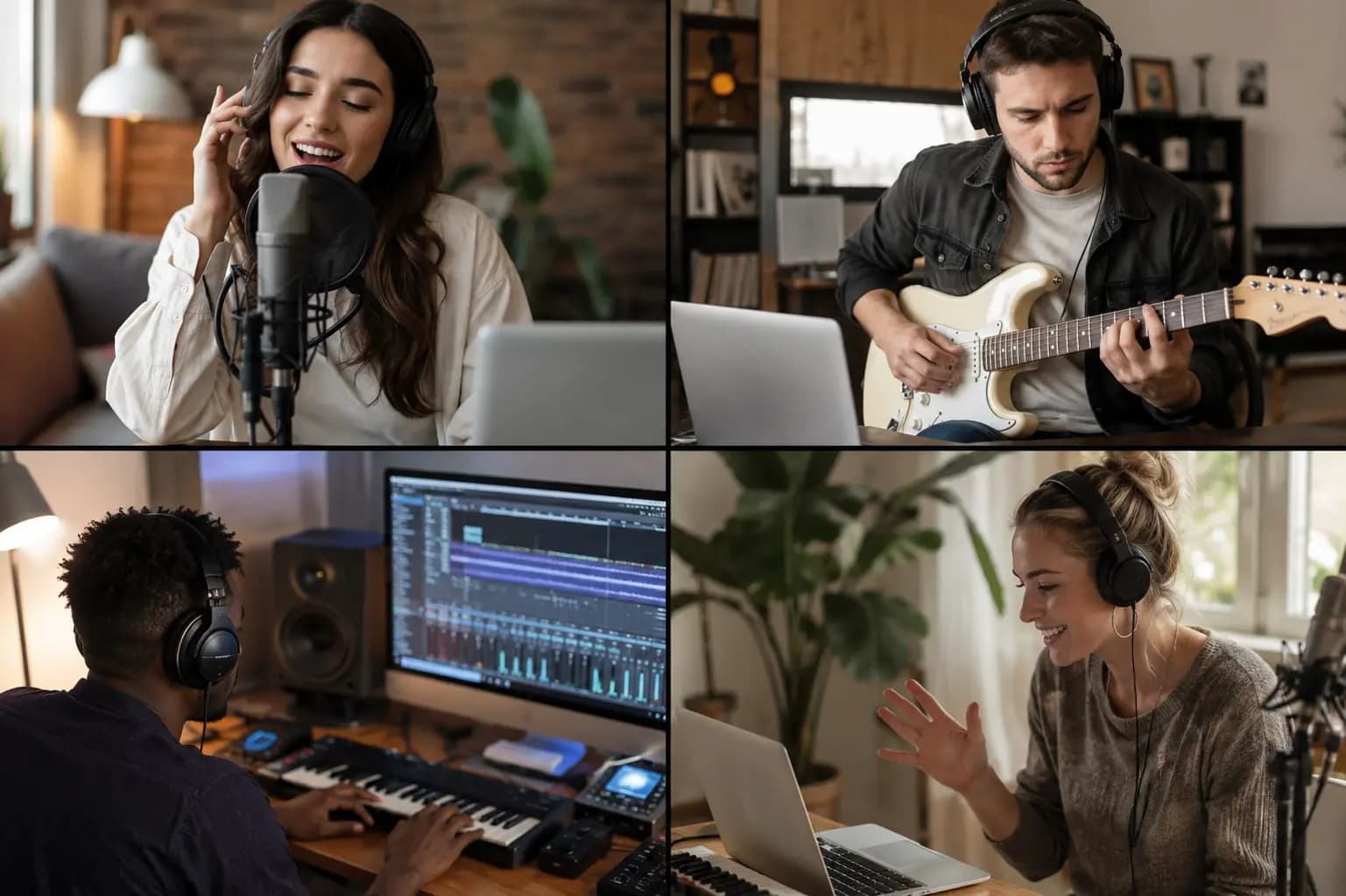
Becoming a successful musician is not just about possessing talent nowadays. Collaboration with other musicians via online platforms allows one to acquire new skills, build one's network of contacts, enlarge one's portfolio, and find many new career options regardless of geographical location. By collaborating with producers, vocalists, songwriters, and instrumentalists, musicians can gain practical skills, become more popular, and establish relationships that may lead to future collaborations, concerts, and other music-related projects. Key takeaways: • Online collaboration enables musicians to gain experience by collaborating with musicians from different backgrounds. • Knowing how to find musicians with the same creative goals makes successful collaboration more likely. • Online music production collaboration makes it possible to complete tracks, exchange ideas, and share recordings regardless of location. • Effective online music collaboration requires clear communication, workflow organization, structured file management, and proper feedback. • Collaborative tracks allow musicians to expand their following, add new music to their portfolios, and showcase their abilities across different genres. • Being a reliable collaborator brings more opportunities for future collaboration projects, industry contacts, and referrals. • Djaminn gives musicians a specialized platform to search for collaborators and work on creative projects.
It takes much more than creating brilliant songs and learning to play an instrument well to develop your musical career these days. One of the most useful strategies for gaining experience, finding new opportunities, and broadening your audience is collaboration. Nowadays, there are platforms that help musicians, producers, songwriters, vocalists, and instrumentalists collaborate and work online. If you want to know how to grow your music career, you will be able to do that by collaborating with other musicians. By doing so, you will be able to improve your skills, enlarge your portfolio, and find people who might become your fans because of joint projects you will be working on. There are special platforms created for music production collaboration online that allow you to find partners, exchange recordings, complete projects remotely, and manage collaborations online. This guide will help you understand why collaboration can be very useful for your music career, how to find musicians to collaborate with, and how you can use your collaboration effectively.
Table of Contents
- Why Online Collaboration Helps Musicians Grow Faster
- Expanding Your Network Beyond Local Communities
- Building Experience Through Collaborative Projects
- How to Find Musicians for Successful Collaborations
- Where to Find Musicians Online
- Choosing the Right Collaborators for Your Goals
- Best Practices for Remote Music Collaboration
- Communicating Clearly Throughout the Project
- Managing Files, Feedback, and Song Versions
- Which Types of Online Collaboration Help Your Music Career Most?
- Turning Online Collaborations Into Career Opportunities
- Growing Your Portfolio With Collaborative Releases
- Building Long-Term Industry Relationships
- How Collaboration Builds Your Reputation as a Musician
- Features That Support Better Collaboration
- Choosing a Platform That Matches Your Goals
- Building a Successful Music Career Through Online Collaboration
- FAQs About Growing Your Music Career Online
Why Online Collaboration Helps Musicians Grow Faster
Quick Answer: Collaborating online provides musicians with opportunities to gain experience, build networks, and be involved in more creative activities without the restrictions of physical location. Collaborating with musicians from various backgrounds helps build one's portfolio and enhance career development. Making a career in music is no longer restricted by geography. Nowadays, online collaboration opens up possibilities to work with skilled musicians from all over the world, which was previously possible only in a local scene. If you are a producer who is in search of a vocalist or a songwriter who wants to find some instrumentalists or even a band that needs new members, online collaboration will allow you to finish more projects and expand your professional contacts. Collaborating with musicians from different backgrounds can give you many fresh ideas and approaches to production. Each collaboration will enhance your skills, teach you about different genres, and build your confidence. All these experiences will enrich your portfolio and help you gain more popularity in the music community. Working on a platform created specifically for remote music collaboration will also simplify the creative process. Instead of sending emails and managing different files, musicians will be able to store their recordings, leave comments, and continue working on the song in one collaborative environment.
Expanding Your Network Beyond Local Communities
Building your network is another key benefit of online collaborations. Rather than relying on local music circles or acquaintances, artists have an opportunity to collaborate with those who live in different cities and different countries and have the same taste in music. Not only does this increase the opportunities for collaboration, but it also helps you to establish valuable professional connections. Advantages of building your network include: • Meeting musicians from other countries and different genres of music • Exploring new creative ideas and music inspiration • Working with specialists in certain aspects of creating music • Establishing professional connections • Creating new opportunities for future release and performance
Building Experience Through Collaborative Projects
Collaborating on every project makes you a better musician. Collaborations allow you to try out different ways of creating music and writing songs that you can hardly do by yourself. As your portfolio expands, you get more credibility and prove that you are capable of working with other musicians. Working with other musicians allows you to: • Improve your skills • Learn various musical styles • Create a portfolio of projects • Get feedback from other artists • Make yourself known to the online music world
How to Find Musicians for Successful Collaborations
Quick Answer: Getting the right musicians is the first step to creating an effective collaborative relationship online. Collaboration software and selecting individuals with similar skills and goals will enable musicians to develop better collaborations and advance their music careers. Selecting the appropriate collaborators is one of the essential elements for advancing a music career. With modern technology, musicians no longer need to attend events or introduce themselves to meet potential partners. Regardless of whether your work includes producing electronic music, singing, or creating new songs, there is no problem in finding artists with relevant knowledge and skills. There are effective websites for music production collaboration online where musicians can create profiles, post examples of their work, and take part in various collaborative projects. Thus, there is no need to waste time looking for partners in different places; you can easily find them, establish contact, and collaborate right on the platform. Apart from technical skills, there are many other factors that will help you choose appropriate collaborators, such as mutual interest in music, the ability to communicate, and a willingness to be reliable.
Where to Find Musicians Online
Finding musicians through collaboration software has never been easier, as there are numerous sites where musicians are looking for someone to collaborate with. Instead of wasting time searching for artists on social networking websites, one can simply use software designed to help musicians share and collaborate. These are some of the places to find musicians: • Music collaboration sites • Indie artist communities • Songwriter and producer communities • Apps for music collaboration • Projects that musicians can join
Choosing the Right Collaborators for Your Goals
It is not enough to find good musicians; successful collaboration comes from musicians having the same creative aspirations, communication skills, and commitment to finishing the project. Spending time evaluating possible collaborators may help you get better results and develop better relationships. When you are about to start the project, take into consideration the following factors: • The similarity of their style to yours • Their examples of past work or portfolio • Communication skills and responsiveness • Ability to cooperate online • Feedback and teamwork ability
Best Practices for Remote Music Collaboration
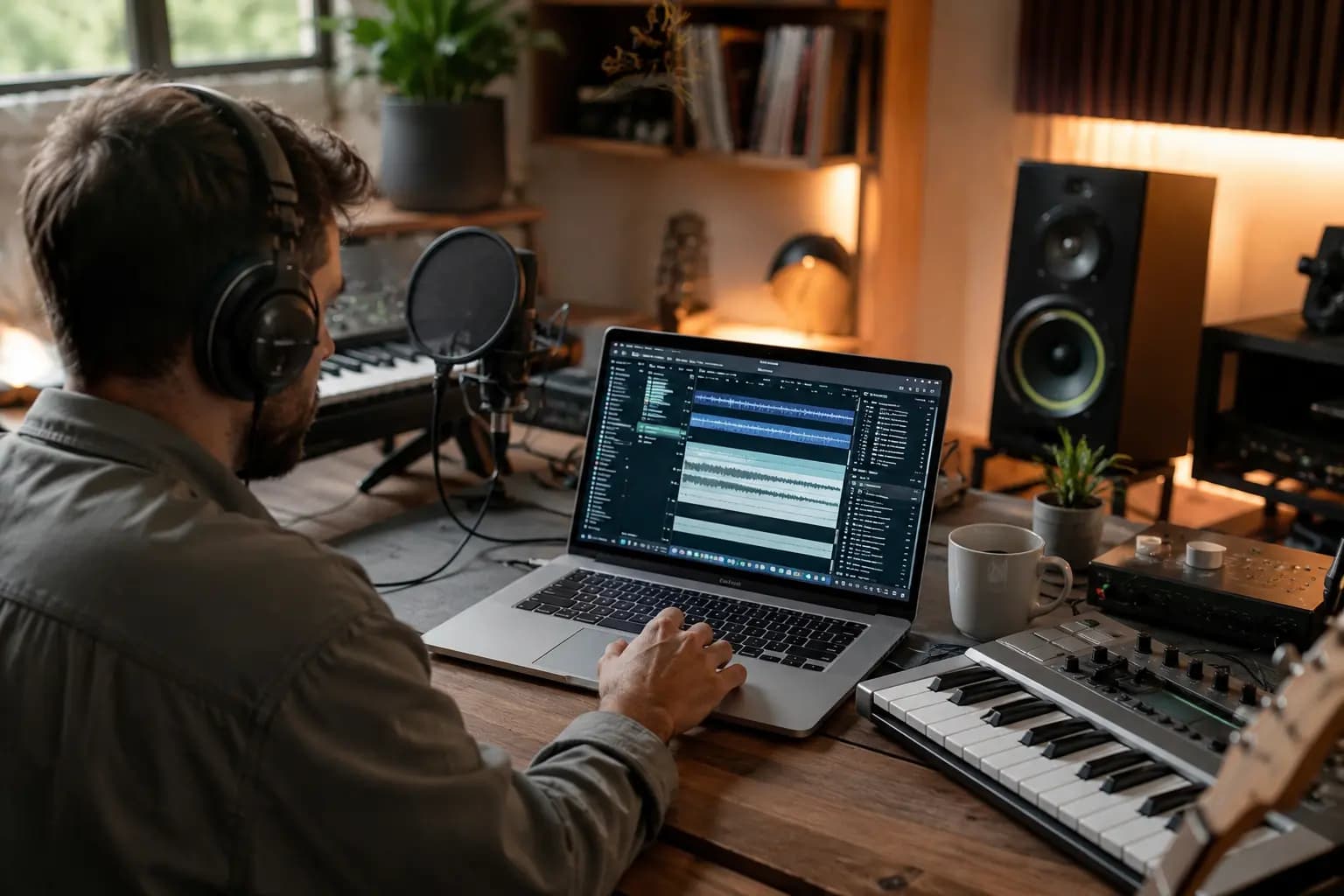
Quick Answer: Successful collaboration in music when working remotely is not just about being creative. It requires communication, good file management, proper workflow, and an appropriate collaboration tool that allows musicians to accomplish their tasks quickly. Good remote music collaboration is not only about creativity. An efficient workflow ensures that musicians remain productive, avoid miscommunications, and get things done. If artists are working remotely, then it is necessary to have a good process for communication, file sharing, and project management. Before starting the actual recording of the tracks, all project participants need to agree on what needs to be done, who is responsible for which part of the project, and what the deadlines and expectations are for the team members. This will help to eliminate possible misunderstandings and allow each member to focus on his/her performance. Good collaboration platforms provide such opportunities for artists. It is also very useful to organize the workspace throughout the entire project. Saving tracks, saving all versions, and sharing information about the project using a single platform will help prevent the loss of important data.
Communicating Clearly Throughout the Project
Effective communication ensures that all collaborations stay on track. Frequent communication allows all parties to see what stage of development the project is at, while proper expectations prevent delays and additional rework. Even basic communication can positively impact your collaboration and make the process of creation fun. Communication techniques include: • Determining everyone's roles prior to recording • Setting up deadlines • Giving constructive feedback • Brainstorming ideas • Conducting all conversations about the project in one place
Managing Files, Feedback, and Song Versions
As the project expands, it is essential that recording and revision organization become more efficient. Having a dedicated remote music collaboration site allows musicians to save their files, see the revisions, and work with several versions without any problems. In this way, all contributors will have access to the most recent information. To be organized, musicians need to: • Save their recordings to the project folder • Have consistent naming for the files and the song versions • Track all revisions made after each update • Connect the feedback to particular recordings • Not send several versions via other applications or emails
Which Types of Online Collaboration Help Your Music Career Most?
Quick Answer: There are many different forms of online collaboration, and each one serves its own purpose. Selecting those activities that match your goals — whether creating a portfolio, getting more exposure, skill-building, or networking — is the best way to achieve steady growth in your music career. Not all types of online collaboration contribute equally to your development as a musician. Some forms of online collaboration will help you expand your portfolio, others will help you grow your audience, and still others will enable you to make important contacts in the industry. Understanding these differences can help you decide how to grow your music career through projects that match your current goals. It is important to note that the choice of the kind of collaboration to engage in is determined by your current level as a musician and your objectives in the industry.
Not all collaborations will have an immediate impact on your career, but through collaboration with other artists, you will be able to gain experience, raise your profile, and build industry contacts. The more successful collaborations you engage in, the greater your chances for the future.
Turning Online Collaborations Into Career Opportunities
Quick Answer: Working together on online projects can give you the potential for future career opportunities, as you will be able to create a portfolio for yourself and establish connections in the industry. Doing quality work will also increase your credibility. Being able to collaborate online is not only helpful for completing musical pieces but is also a way to get ahead in one's music career. With each new collaboration, the artist gains professional contacts that may prove helpful in the future. The more people know the musician and the better connected he is with them, the greater his chances of participating in large projects and gaining popularity. Multiple collaborations help increase the artist's exposure. Each collaborator shares the piece of music he was involved in with their own followers. In that way, all contributors are able to reach their own audience, which wouldn't know about their music otherwise. The constant production of quality music pieces helps earn the artist's trust and establishes his reputation among other musicians. Artists will always be willing to collaborate with those they trust. Thus, every successful collaboration turns into a chance to find another one.
Growing Your Portfolio With Collaborative Releases
Each project completed through a collaboration is valuable for your portfolio, proving your experience and versatility, along with your ability to collaborate with other performers. Collaboration on musical releases with other artists proves your readiness to adapt to new genres and methods of working. Through collaborative releases, you can: • Prove your experience in different music genres • Show your ability to work within a team • Build up a portfolio of projects completed successfully • Increase the number of your listeners through collaboration
Building Long-Term Industry Relationships
Successful music careers are more likely created through partnerships than collaborations. Musicians who do their work on time and effectively are usually asked to collaborate once again with their partners. There is much more in those relationships than just a certain collaboration project. Professional relations may give the possibility for: • Repeat collaborations with reliable musicians • Introduction to producers, engineers, and songwriters • Participation in bigger music projects • References in the music industry • Career development through expanding the circle of professional contacts
How Collaboration Builds Your Reputation as a Musician
Quick Answer: Reputation can be earned by collaborating and communicating effectively and contributing high-quality work. By behaving professionally, selecting an appropriate platform for collaboration, and establishing good relations with other musicians, one can enhance their chances of getting referrals and future collaborations. Developing a music career is about more than just creating good songs; it is also about being someone who fellow musicians like to collaborate with. Each project provides another chance to showcase your creative abilities, professional attitude, communication skills, and dependability. As you complete more projects, your reputation grows, thus making it easier for you to find new partners and access bigger creative opportunities. Artists who provide good-quality contributions to projects and work positively with others will be invited to future releases, get recommendations from fellow musicians, and meet producers and industry people. Such connections may become some of the most powerful motivators of future success in the field. Reputation can also bring increased visibility among the music community. It is natural for musicians to recommend those collaborators they trust, and so your professional circle and audience grow without having to promote yourself all the time.
Features That Support Better Collaboration
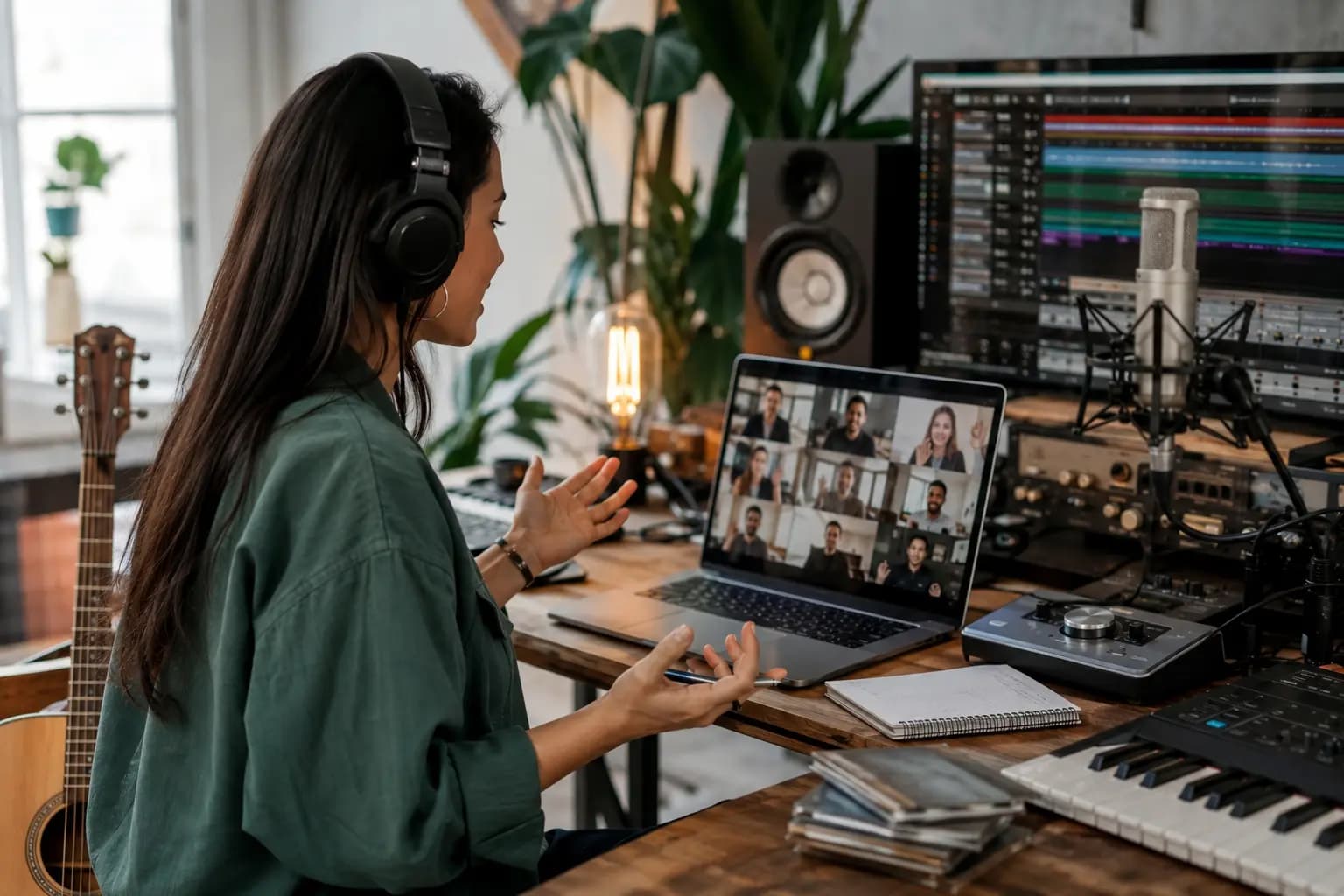
It is not only your output but also your attitude towards each collaboration that determines your reputation. The ability to be reliable and cooperative may even matter more than your talent as a musician, as it helps develop productive creative relationships with your fellow musicians. Some examples of ways of developing a good reputation include: • Being punctual about your contributions • Being communicative throughout the process • Giving useful feedback to your collaborators • Valuing others' creativity and diverse musical styles • Producing top-quality output consistently
Choosing a Platform That Matches Your Goals
An outstanding reputation can open doors long after the project is done. It is more likely that musicians who enjoy working with you will talk about your talent, collaborate with you again in the future, and even introduce you to other musicians. Knowing how to find musicians with compatible goals can turn these relationships into bigger projects and steady career advancement. • The more reputation you gain, the more likely it is that you will be invited for future collaborations • Be recommended by other musicians • Meet producers, writers, and industry professionals • Reach out to a bigger audience via partnerships • Have long-term prospects in the music business
Building a Successful Music Career Through Online Collaboration
Online collaboration has revolutionized the way musicians perform and build their careers. Understanding how to grow your music career through collaboration allows you to work with producers, vocalists, songwriters, and instrumentalists regardless of where they are based. Collaboration gives musicians the chance to acquire more experience and establish a professional network with people who would otherwise be out of reach. Using dedicated platforms for music production collaboration online streamlines the whole process, since discovery, communication, recording, storage, and management can be handled in one space. This makes remote music collaboration more efficient and spares musicians the effort of organizing the entire process manually. Whether you are starting out as a musician or already well-established, online music production collaboration platforms can open new doors to projects and business relationships. Learning how to find musicians who share your goals can help turn those opportunities into lasting creative partnerships.
FAQs About Growing Your Music Career Online
Can beginners grow their music career through online collaboration? Yes. Collaborating with experienced artists is one of the best ways to learn how to grow your music career. Even small projects help beginners build confidence, skills, and a stronger portfolio. How many collaborations should musicians complete each year to build experience? This does not have a specific answer, although doing several collaborations every year will enable you to learn quickly, develop your portfolio, and establish professional relations with other artists. How do online collaborations help independent artists release more music? Using music production collaboration online allows artists to work with producers, vocalists, and songwriters remotely, reducing delays and making it easier to finish and release new songs. What should musicians include in their online collaboration profile? You should include your musical style, experience, influence, portfolio, and collaboration intentions. A comprehensive profile on Djaminn will help like-minded artists find and contact you. How can a music collaboration platform help manage multiple projects? A platform designed for remote music collaboration keeps recordings, feedback, revisions, and communication in one place. Djaminn helps musicians stay organized across multiple projects. What are the biggest mistakes musicians make when collaborating online? Common mistakes include poor communication, missed deadlines, unclear expectations, and choosing unsuitable partners. Learning how to find musicians with similar goals helps avoid these issues.